Apparel decoration isn’t just about putting a logo on a shirt anymore. Today, the decoration technique you choose can determine whether branded apparel feels memorable or forgettable. custom apparel decoration techniques
While embroidery and screen printing still have an important place in branded merch, expectations have changed. Across campuses, there’s a growing demand for apparel that feels elevated, intentional, and worth wearing beyond the moment it’s received. Decoration has become part of the design strategy, not just a final production step, helping apparel feel more like something you’d buy than something you’d be given.
Why Decoration Style Is a Big Opportunity
Apparel is one of the most visible forms of branded merch. It shows up on campus, at events, on social media, and in everyday life long after the original moment has passed.
The decoration technique you choose directly impacts how that apparel is perceived. Thoughtful, creative decoration can:
- Instantly elevate even the simplest garment
- Make merch feel more like something you’d buy than something you’d receive
- Help your brand stand out in a sea of similar-looking apparel
- Increase wearability, longevity, and pride
In other words, decoration is part of the strategy, not just the final step.
Decoration Techniques That Create a Must-Have Feel
If you’re ready to move beyond the standard logo-on-the-chest approach, here are a few techniques that are helping brands create apparel that feels fresh, intentional, and highly wearable.
Woven and Heat-Applied Labels
Woven labels heat-applied to sleeves, hems, or interior necklines offer a subtle, retail-quality finish. This technique works especially well for secondary branding and minimalist designs, adding polish without overpowering the garment.
Chenille and Patch Applications
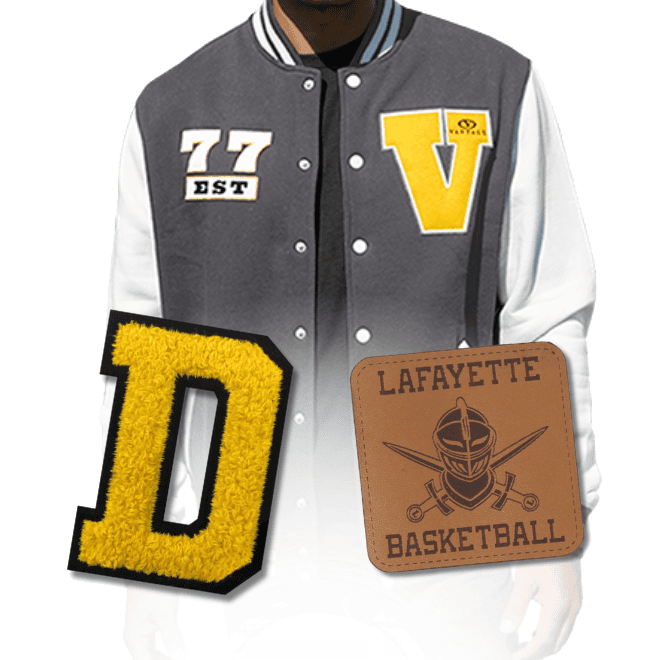
Patches are having a major moment in both retail and collegiate apparel. From classic chenille to embroidered and faux-leather styles, patches add texture, dimension, and a layered look that feels bold and intentional: more like a design element than a logo.
Laser Etching
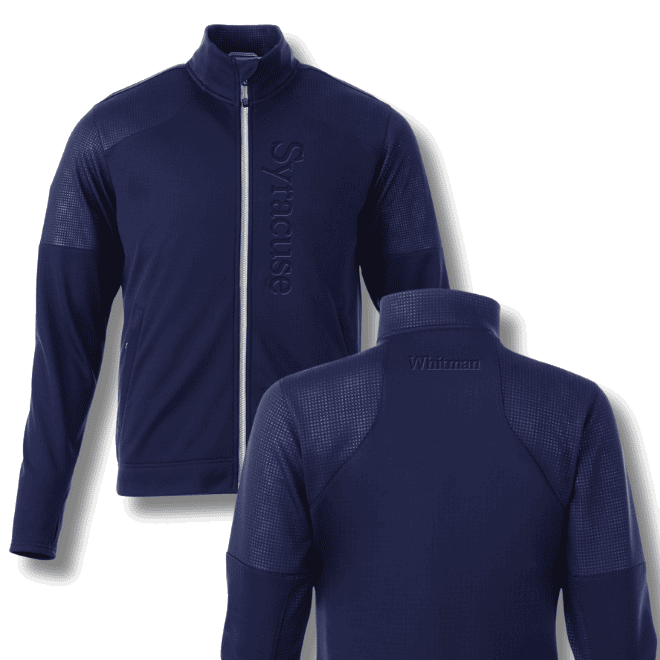
Laser etching uses precision technology to permanently mark designs into the surface of a material. This process creates a clean, tonal look that feels modern and elevated. It’s especially effective for fine details and unexpected placement, resulting in decoration that feels like a design feature rather than overt branding.
Puff and Dimensional Prints
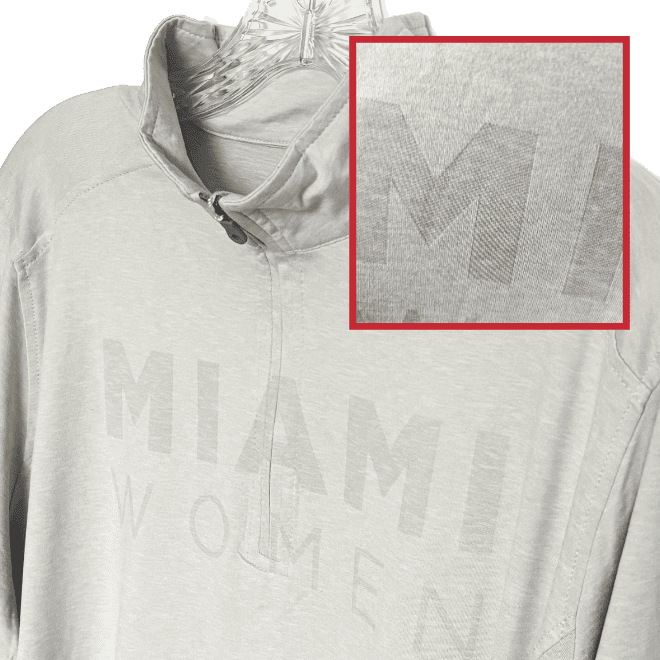
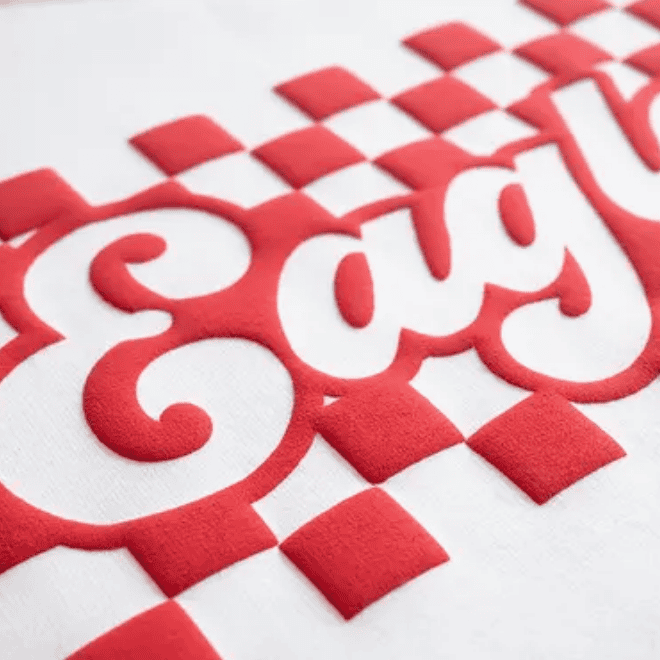
Puff ink and dimensional printing add texture and depth, creating a tactile experience that feels premium and eye-catching. These techniques are a fun way to get playful and creative with typography or graphic elements that deserve extra emphasis, personality, and dimension.
Client Example
Syracuse University’s Whitman School of Management surprised staff with a creative twist on their branded apparel by using laser etching over the standard embroidery. The design featured a two-location imprint, with a bold vertical “Syracuse” down the front and a subtle Whitman logo placed at the nape of the neck. The result was a clean, tonal piece that felt modern and intentional, creating a subtle yet powerful brand statement that staff were genuinely excited to receive and show off.
How We Can Help
Trying something new doesn’t mean taking unnecessary risks. The most successful apparel comes from pairing the right garment with the right decoration technique and having a guide who understands what will resonate with your audience. That’s where we come in.custom apparel decoration techniques
If your apparel is starting to feel predictable, your decoration strategy might be holding it back. Whether you want to subtly elevate your current approach or explore bolder, more exciting options, we’d love to help. Send us your current apparel or connect with your Client Strategist, and we can rethink what’s possible and explore new decoration techniques together.